
01
Microbial diversity
Community variety across taxa
How varied the gut community is across taxa represented in the sample.
Microbiomics · Veterinary
Gut microbes shape digestion, immunity, and well-being in companion animals. Explore how 30M Genomics is building veterinary gut microbiome analysis for research and partner programmes.
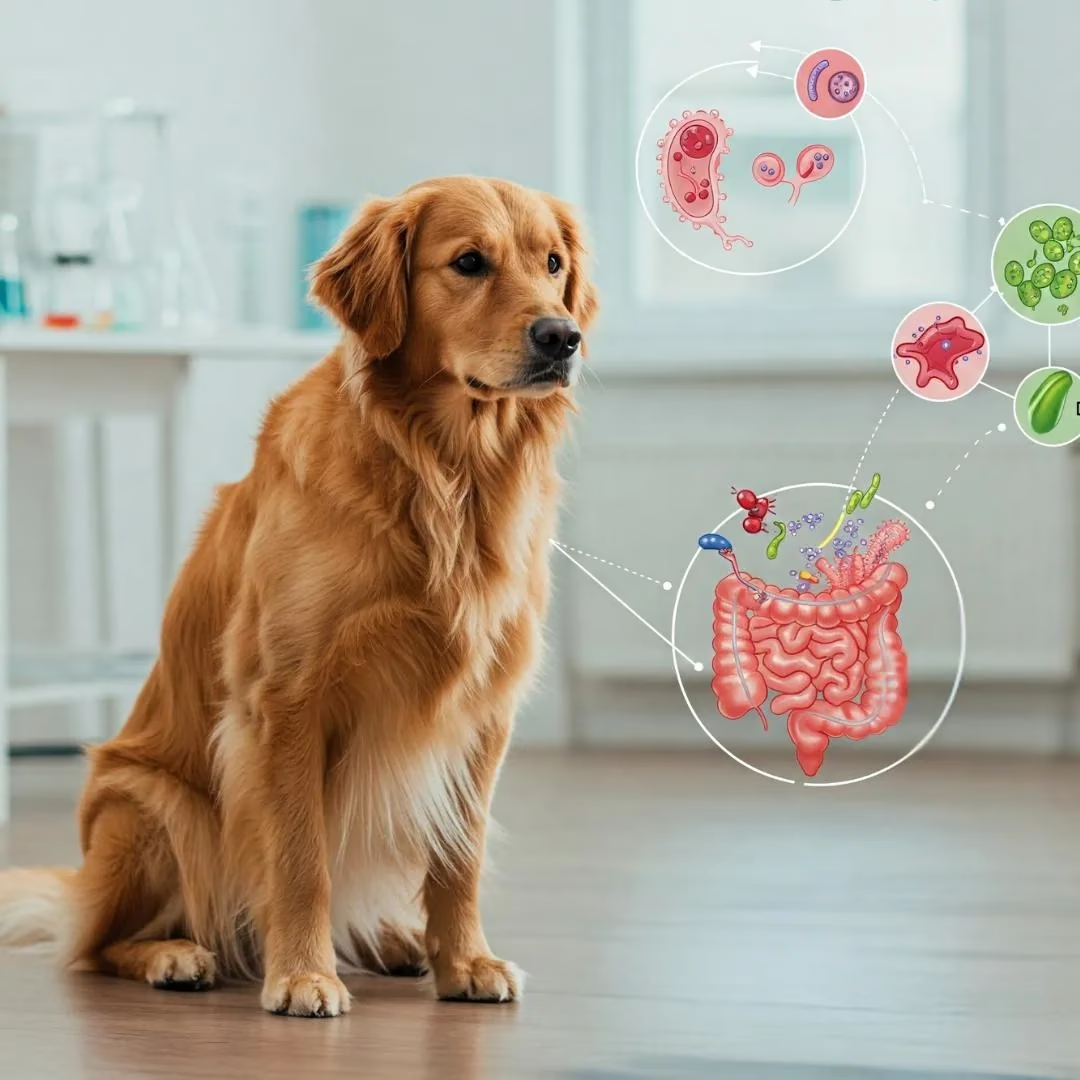
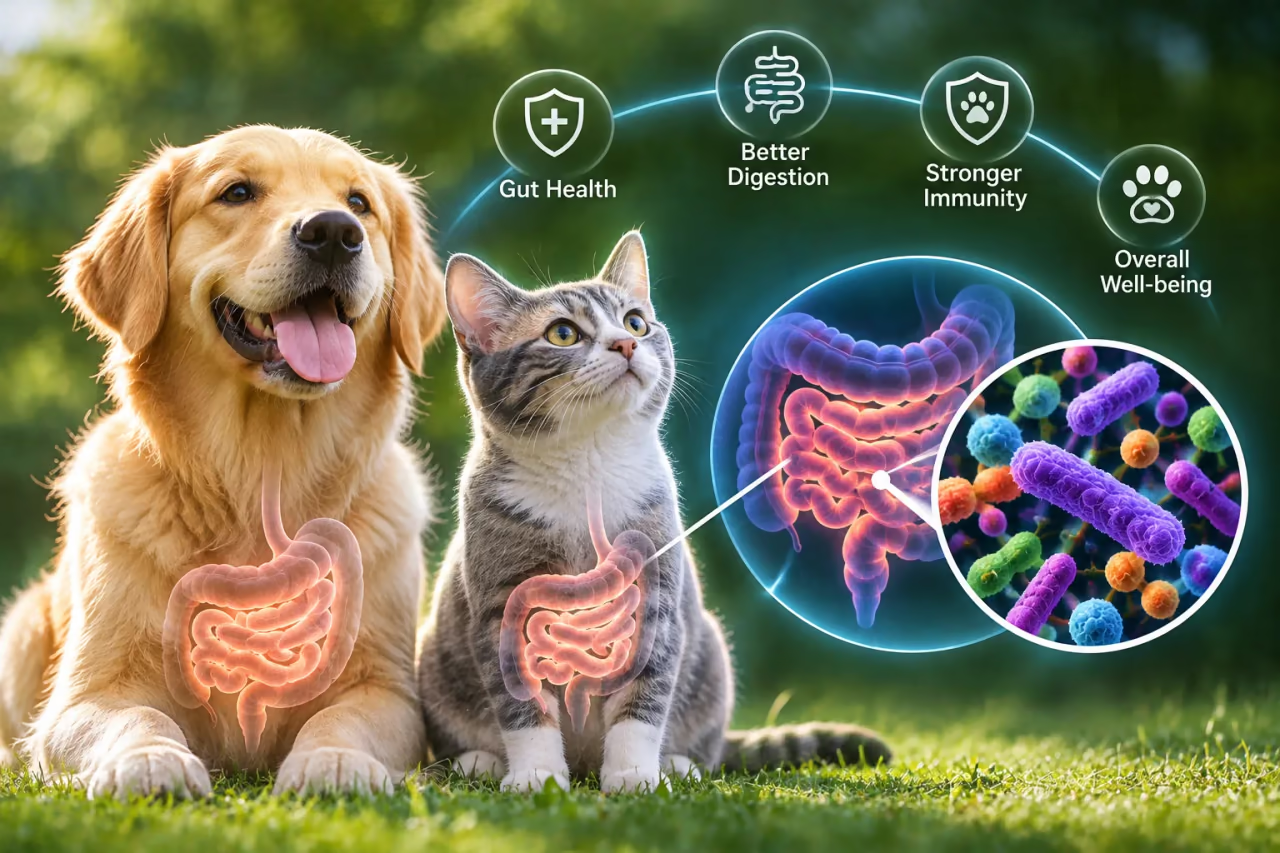
The veterinary gut microbiome is the community of microbes that live in an animal’s digestive tract. Together they help break down food, support nutrient use, and interact with the immune system.
When that community is diverse and balanced, digestion and general wellness are easier to maintain. Shifts in composition — sometimes called dysbiosis in research settings — are an active area of veterinary study.
Microbiome analysis reads microbial DNA from a collected sample. It is not the same as a pharmacogenomics report, which reads the animal’s own host genetics for medicine response.
At 30M Genomics this vertical sits beside our live saliva pharmacogenomics work. Exact sample protocols, assay panels, and clinical claims for veterinary use still need medical and lab sign-off before public order flows open.
Stages below describe the planned partner workflow. Confirmed kit instructions, turnaround times, and report templates will be published when the veterinary panel is released.
Analysis
Categories below are research-oriented themes. They are not published as validated veterinary diagnostic markers on this site until the panel and medical review are complete.
01
Community variety across taxa
02
Groups present and distributed
03
Supportive vs disruptive patterns

04
Community balance research views

05
Panel indicators after validation

Key research areas where the gut microbiome provides valuable insights for animal health programmes.

Explore microbial links to immune signalling.
Study digestion and nutrient-handling patterns.
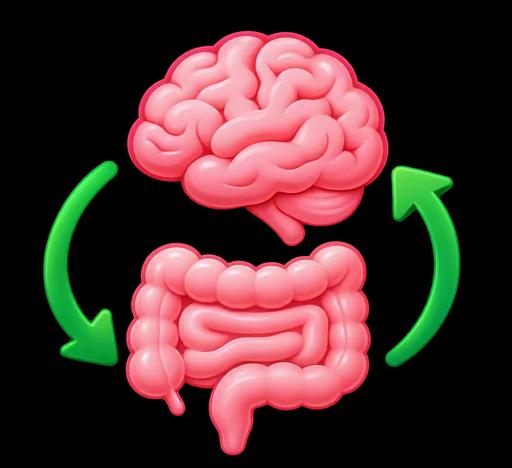
Examine gut–behaviour research themes carefully.

Frame microbial patterns for metabolism research.

Add a microbial layer to wellness research.