
01
Microbial diversity
Variety within gut community
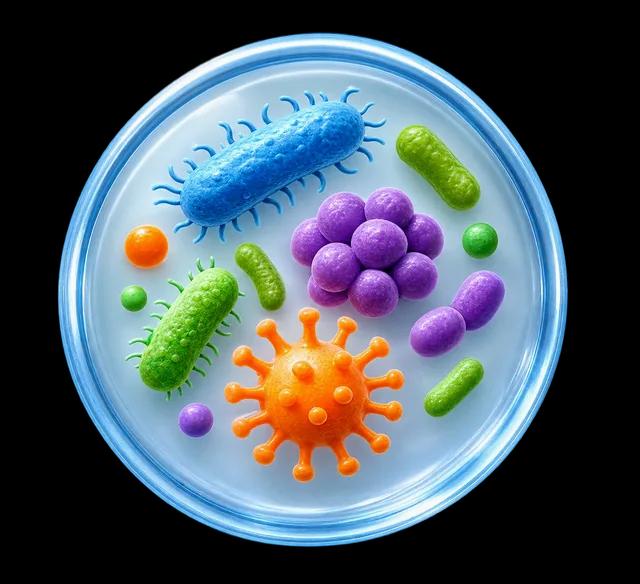
Overall variety within the gut community recovered from the sample.
Microbiomics · Human
The human gut microbiome plays a role in digestion, nutrient metabolism, immune signalling, and overall gut health. This vertical explains how 30M Genomics is building human gut microbiome analysis to sit beside pharmacogenomics — with enquiry for early access while the panel launches.

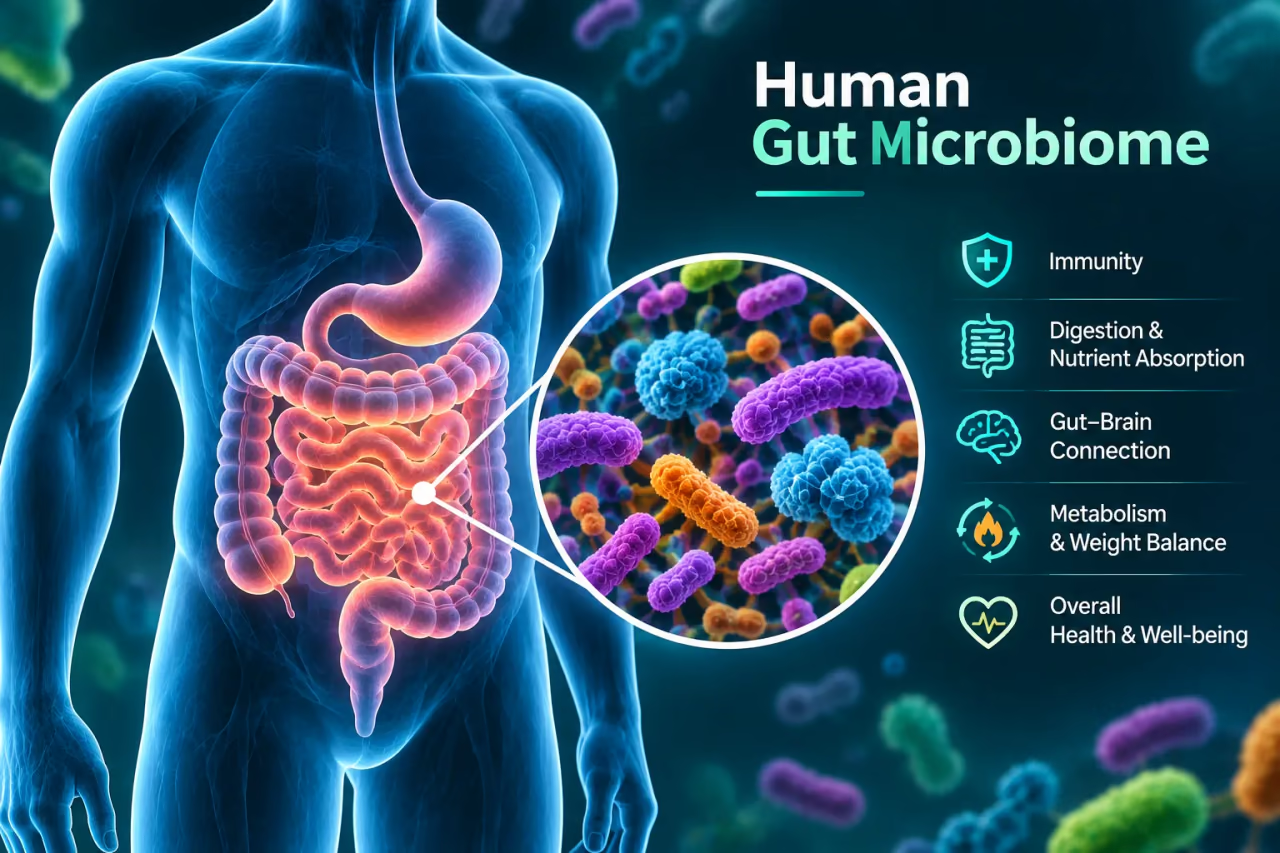
The human gut microbiome is the dense community of bacteria and other microbes living in the digestive tract. It helps process food, supports nutrient absorption, and interacts with immune pathways.
Researchers also study links between microbial patterns and metabolism, gut comfort, and the gut–brain axis. Those links are active science — not a reason to self-treat from a consumer kit alone.
A microbiome report reads microbial DNA. A pharmacogenomics report reads your human DNA for gene–drug notes. 30M Genomics keeps those questions separate while planning microbiome insights next to saliva PGx.
Public order flows, sample kits, and clinically framed claims for this vertical still require laboratory validation and medical sign-off. Until then, enquire for partner or research conversations.
These stages outline the planned human microbiome path. Kit instructions, assay methods, and turnaround will be confirmed when the panel opens.
Analysis
Themes below describe the intended analytical scope. They are not listed here as validated clinical diagnostic markers.
01
Variety within gut community
02
Structure of microbial groups

03
Research-oriented microbe groupings

04
Relative abundance across taxa
05
Balance views after validation
Key research areas where the gut microbiome provides valuable insights.

Explore microbial links to immune signalling.
Study digestion and nutrient-handling patterns.
Examine gut–brain research themes carefully.

Frame microbial patterns for metabolism research.

Add a microbial layer to wellness research.